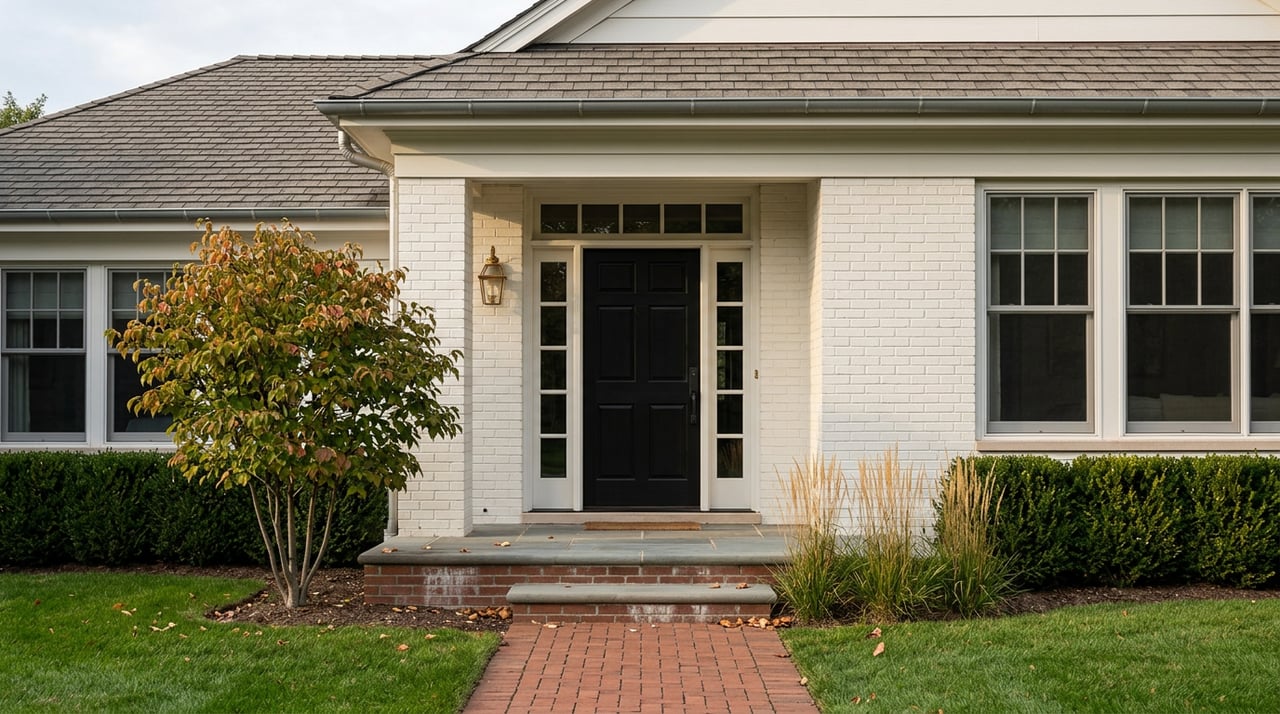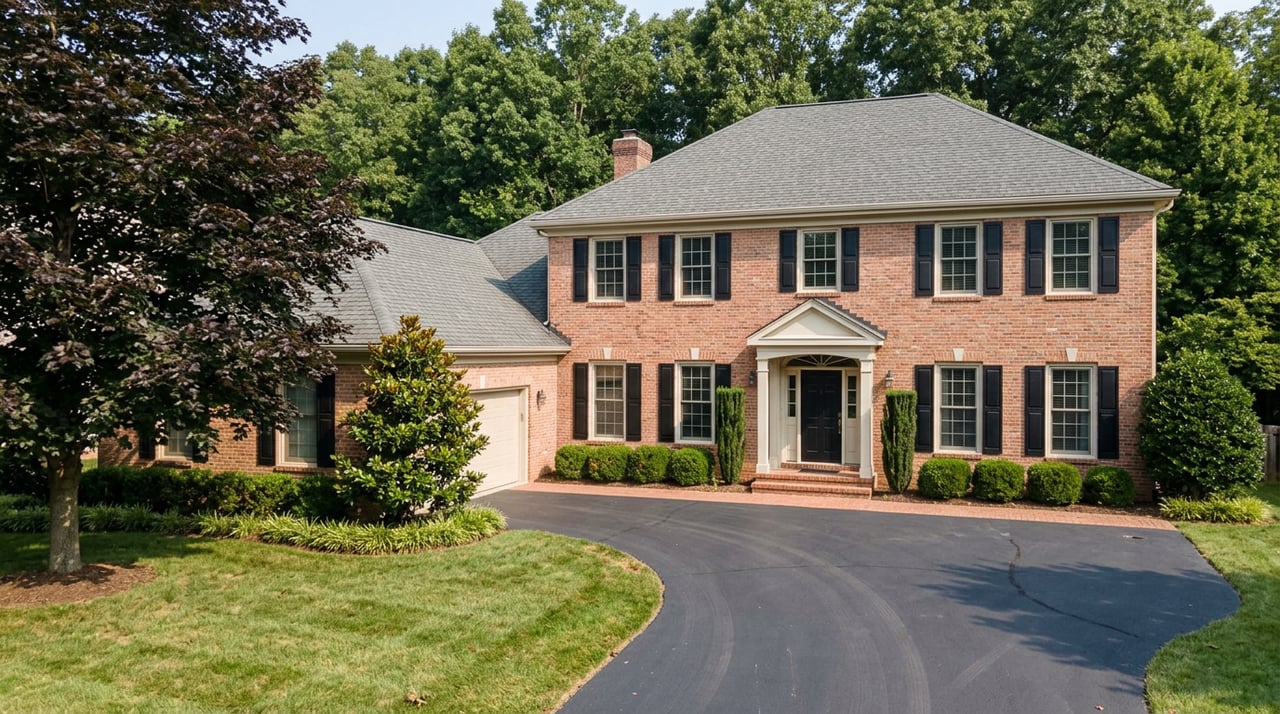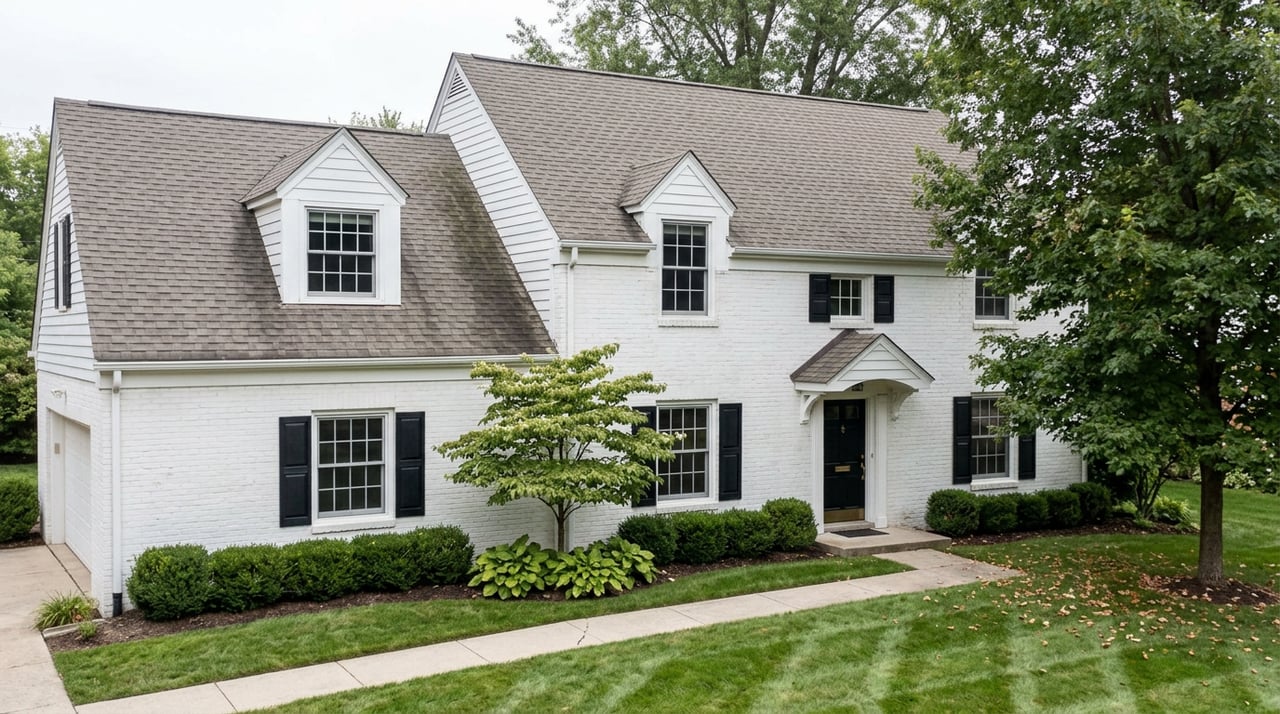
Every buyer who searches Upper Arlington eventually finds the same figure: a median sale price hovering around $700,000 over the three months ending July 2026, up 9.8 percent from the same period a year earlier. It's the number that shows up first in every search, and it's real. But it answers a question buyers have already stopped asking. The question that actually determines whether you'll win a house here isn't what the last batch of homes sold for. It's whether the city can ever build enough new ones to change that math. According to Upper Arlington's own commissioned housing study, the answer is close to no.
The city already ran this analysis, and it wasn't for buyers
In 2025, the City of Upper Arlington hired CommunityScale, an urban planning and data analysis firm, to study its housing market ahead of an update to the city's master plan. The resulting report wasn't written for house hunters. It was written for council members deciding how to zone the next decade. But buried in that civic document is the most useful number available to anyone comparing Upper Arlington to Dublin, Bexley, or any other close-in suburb this year.
The study found that Upper Arlington's housing market could absorb roughly 57 new housing units per year through 2050 without disrupting the price trajectory already underway. That's not a target the city is failing to hit. It's closer to a ceiling: the study frames 57 units a year as the amount of new supply the market can take on given constraints on land and construction costs, even as regional job growth from projects like Intel, the Honda-LG battery plant, and a nearby 4,000-worker defense manufacturing facility keeps pulling new households toward central Ohio.
A newer CommunityScale dashboard, built off the same underlying data, puts a sharper number on the gap: Upper Arlington needs 466 additional housing units over the next five years just to catch up to current shortages and keep pace with growth, a shortfall that isn't closing under the pace of building the city has managed so far. Read side by side, the two figures aren't contradictory. They're the same firm answering two different questions.
| Measure | Time frame | Units | What it tells a buyer |
|---|---|---|---|
| Market absorption ceiling | Through 2050 | About 57 per year | How much new supply the market can take without price disruption |
| Current shortage plus growth | Next 5 years | 466 total | How far behind that pace the city already is |
Neither number moves in a buyer's favor. The first says growth is capped. The second says the city is already behind that cap. That combination, not the median price, is the real story behind why competitive offers on move-in-ready homes have stayed the norm rather than the exception.
Where new supply actually comes from when there's no land left
Upper Arlington is close to built out. There is no meaningful stock of vacant residential parcels waiting for a developer, which means almost none of the city's housing growth comes from greenfield construction. It comes from replacing what's already there.
That shows up as concentrated teardown-and-rebuild activity in a handful of corridors: Fishinger Road, Reed Road, Lane Avenue, and the area around Kingsdale. These are the blocks where older ranches and mid-century colonials are most often coming down to make way for larger, updated homes on the same lots. If you're searching for "new construction" in Upper Arlington, this is functionally what that search returns, not a subdivision, but a scattered set of rebuilds on streets that already existed.
That matters for how you shop. A buyer comparing a freshly rebuilt home on Reed Road to a 1950s original two streets over isn't comparing two versions of the same product. They're comparing the outcome of two different decisions: one owner who tore down and rebuilt to current tastes and square footage, and one who didn't. Because there's so little raw land left, the rebuilt option carries a real premium, and it's a premium that isn't going away as long as land itself stays this scarce.
The math that decides what gets built next
The city's study also spells out why redevelopment tends to land at the upper end of the price range rather than filling in more moderately priced options. CommunityScale's analysis found a break-even assessed value of approximately $619,000 per unit, the point at which a new home generates enough property tax revenue to cover the cost of city services it consumes. Current new-construction values in Upper Arlington clear that break-even point comfortably, which is part of why redevelopment keeps getting approved even in a city with almost no room left to grow horizontally. It pencils out for the city's budget.
It also explains the shape of the biggest visible change underway: the Lane Avenue corridor, which the city itself now describes as its most rapidly evolving commercial district. The area has added new dining, retail, housing, and the community's first hotel, anchored in part by the Kingsdale Mixed-Use Project a few blocks away. This is genuine new inventory, and it's meaningful. But it's inventory built to the economics that make sense for a built-out, high-cost suburb, not inventory designed to bring entry-level buyers into the market. If you're hoping increased development along Lane Avenue eventually eases competition for a $500,000 starter home elsewhere in the city, the same study that documents the corridor's growth is also the one explaining why that relief isn't the plan.
What this means if you're searching right now
None of this means Upper Arlington is unreachable. It means the shape of the competition is different from what the median price alone suggests. A few things worth adjusting before you write an offer:
- Treat 31 days on market as the baseline, not the ceiling. That's the average time homes spent on the market as of the three months ending July 2026, barely a day longer than the year before. A well-priced home in good condition is still moving in about a month.
- Expect more transactions, not fewer. July 2026 saw 181 homes sold in Upper Arlington, up from 153 in July 2025. Volume is up alongside price, which tells you this isn't a market cooling under its own weight. Demand is absorbing the increase.
- Decide early whether you're bidding on land or on a finished house. If a rebuilt home on one of the teardown corridors is out of range, an unrenovated original nearby may be the more realistic path, with renovation costs built into your budget from the start rather than treated as a surprise after inspection.
- Don't assume new development will soften prices elsewhere. The Lane Avenue corridor's growth is real, but the city's own break-even economics mean new supply tends to arrive priced to justify itself, not to relieve pressure on the broader resale market.
A few questions worth asking before you commit
Will Upper Arlington ever loosen up enough to bring prices down? Based on the city's own analysis, that's not the trajectory. The 57-units-per-year figure is described as an absorption ceiling tied to land and construction costs that aren't going away. Barring a change in zoning policy well beyond what's currently proposed, supply is likely to keep trailing demand rather than catching it.
How does this compare to Dublin or Bexley? The CommunityScale study specifically named Dublin and Bexley as comparison communities with similarly high and rising median household incomes, which suggests all three suburbs are drawing from the same pool of buyers willing to pay a premium for established neighborhoods and short commutes. The mechanics behind each city's supply constraints differ in the details, but the underlying pressure, more demand than any of these built-out suburbs can comfortably absorb, is a regional pattern, not a one-city problem.
Is a teardown lot ever a better buy than a move-in-ready home? It depends on your timeline and tolerance for a construction process, but the math is worth running before you rule it out. In a market where the city's own study shows new supply concentrated on a few corridors rather than spread evenly across the city, a well-located original home with room to rebuild can sometimes offer more control over the outcome than competing for a home someone else already updated to their own taste.
If you're trying to figure out where you actually have room to negotiate in this market, or which of Upper Arlington's teardown corridors still have realistic entry points, that's exactly the kind of read a local advisor should be able to give you before you write an offer. The Anne DeVoe Group has spent years watching these specific blocks change one rebuild at a time, and we're glad to walk through what the numbers mean for your search. Schedule a free consultation whenever you're ready to talk specifics.