Thinking about listing your Bexley home and wondering what list price will spark strong early demand without risking your appraisal or closing? You are not alone. Pricing in Bexley requires a careful blend of hyper-local data, buyer psychology, and polished presentation. In this guide, you will learn a proven process to set a price that attracts the right buyers, supports the appraisal, and positions you to negotiate confidently. Let’s dive in.
Know the Bexley market
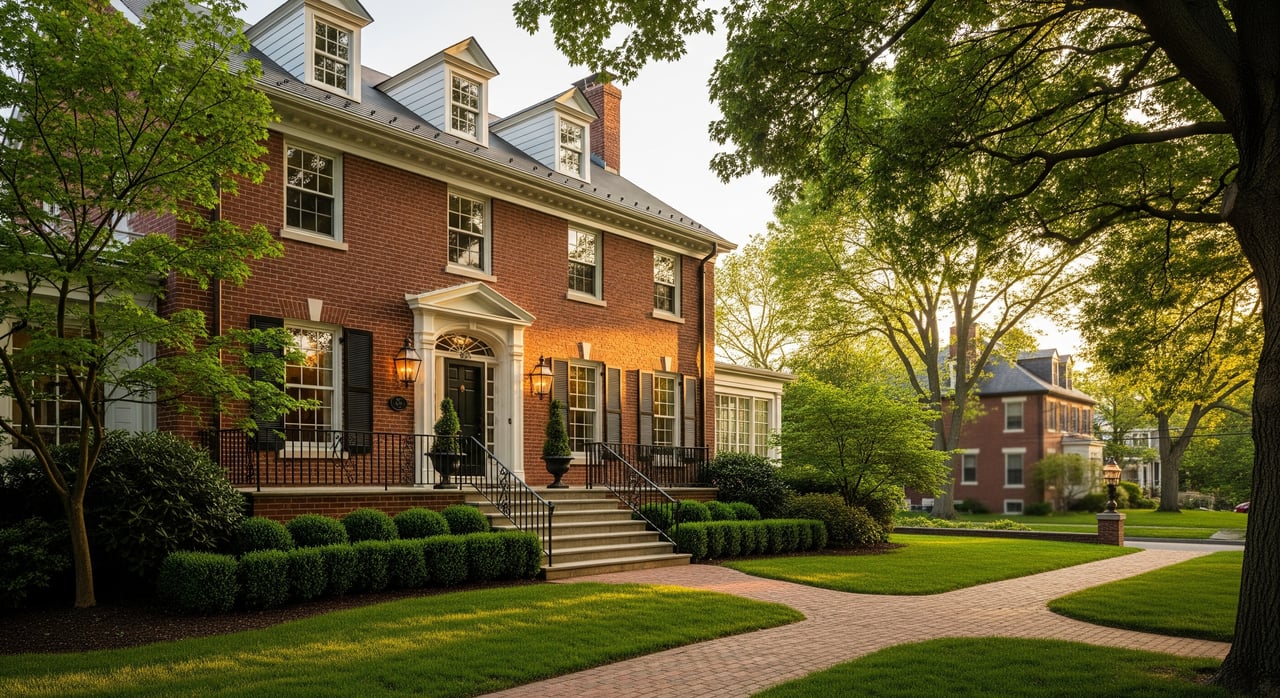
Bexley is a small, walkable enclave just east of downtown Columbus with unique appeal. Its location near central Columbus and Ohio State University, along with the Bexley City School District and pockets of historic design review, draws steady interest from families, faculty, and professionals. That demand can push well-maintained older homes and thoughtfully updated properties to the top of buyer lists.
Because Bexley is compact, you will often see fewer comparable sales than in broader Franklin County. That small sample size makes every detail matter. Condition, lot characteristics, and block-by-block nuances can swing value more than county averages suggest.
To understand your position, pull data focused on Bexley first. Useful sources include Columbus REALTORS/MLS for recent solds, pendings, and actives; Franklin County Auditor and Recorder for tax records and parcel details; and the City of Bexley planning and historic preservation offices for local rules that can affect value. Experienced local agents and appraisers can help you interpret trends and adjustments.
Build a hyper-local comp set
Start with recent closed sales
Anchor your pricing with closed sales that mirror your property. Aim for 3 to 8 recent closings within the same neighborhood or adjacent blocks. Three months is ideal. If activity is slower and the market is stable, you can extend to 6 to 12 months with clear documentation.
Prioritize true similarity
Match property type first, then gross living area, bed and bath count, lot size, and overall condition. Avoid bank-owned or distressed sales unless your home is truly comparable. Treat outliers like estate sales and extensive remodels carefully so they do not skew your price.
Add pendings and actives for direction
Pending sales and similar active listings help you gauge momentum. They signal where buyer demand is right now. Use them to confirm if your closed comp set is trending up, flat, or softening.
Make clear, defensible adjustments
Use dollar adjustments
When you compare comps to your home, document the differences and use dollar adjustments for clarity. Typical adjustments include square footage, bedroom and bathroom count, lot size, finished basement space, significant renovations to kitchens and baths, age and condition, and garage capacity. Reference MLS remarks, photos, tax records, and permits to support each choice.
Be careful with price per square foot
Price per square foot gives a quick benchmark, but it can mislead when floor plans and condition vary. When possible, use paired sales and thoughtful line-item adjustments to reach a more reliable range.
Use price-band psychology wisely
Many buyers filter homes by price bands. A list price just under a common search cutoff can expand your audience. For example, $399,900 reaches buyers capped at $400,000 and can also appear to buyers searching $350,000 to $400,000.
Left-digit effects matter too. The difference between the 3xx and 4xx range changes how a listing shows up and feels. Charm pricing that ends in 9 can help, but its impact is modest compared to location and condition.
Use psychology as a amplifier, not a crutch. Underpricing to spark a bidding war works best when there is real competition and low inventory. In a balanced or softening market, aggressive underpricing can leave money on the table.
Choose a pricing strategy
Your approach should align with your goals and the data. Common strategies include:
- Price slightly below market: Can boost showings and spark multiple offers. Risk is an appraisal gap if the accepted offer exceeds comps.
- Price at market: Anchors expectations around fair value, often reduces appraisal risk, and attracts serious buyers ready to write clean offers.
- Price above market: Useful only when there is credible evidence of premium features or scarcity. It can lengthen days on market and dampen early interest.
When you anticipate multiple offers, consider escalation clauses, a short offer review window, or a set offer deadline to manage momentum.
Presentation that boosts perceived value
Staging that respects Bexley character
Staging increases buyer interest and can reduce days on market. Focus on presenting the home’s character while showing that systems are cared for. Bexley buyers often appreciate historic details paired with modernized systems like HVAC, wiring, and plumbing.
Concentrate on high-impact areas:
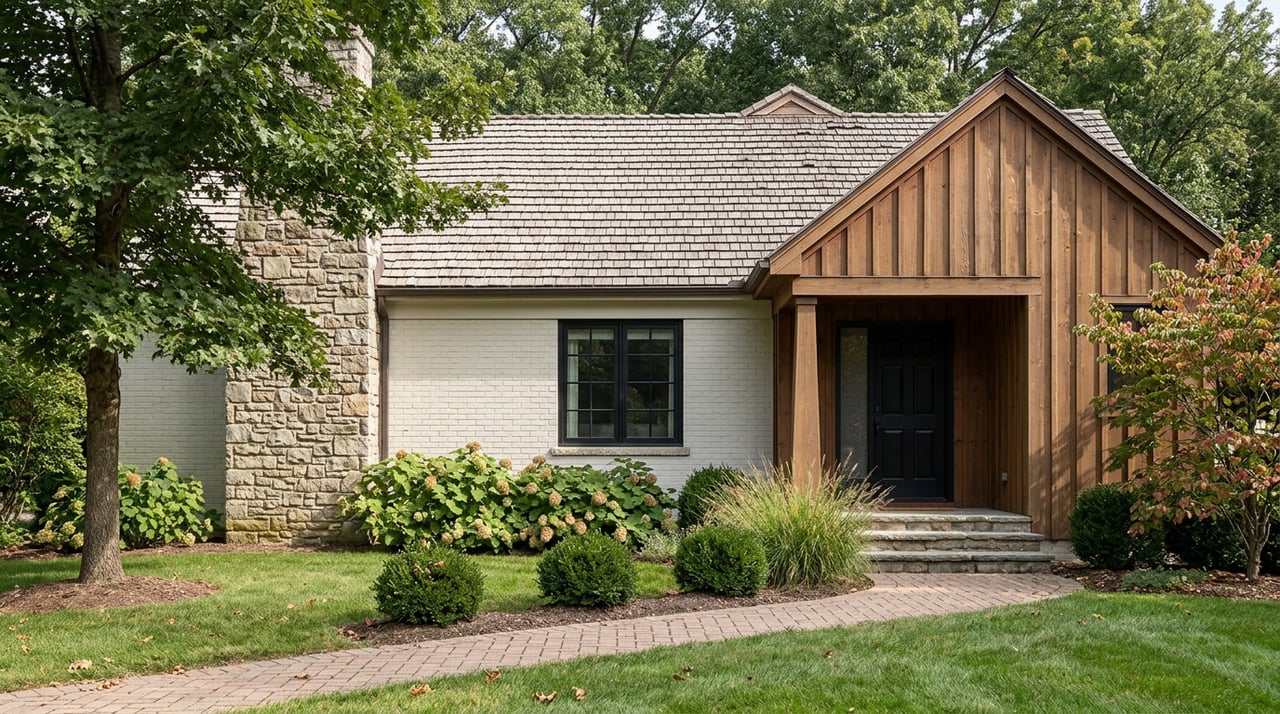
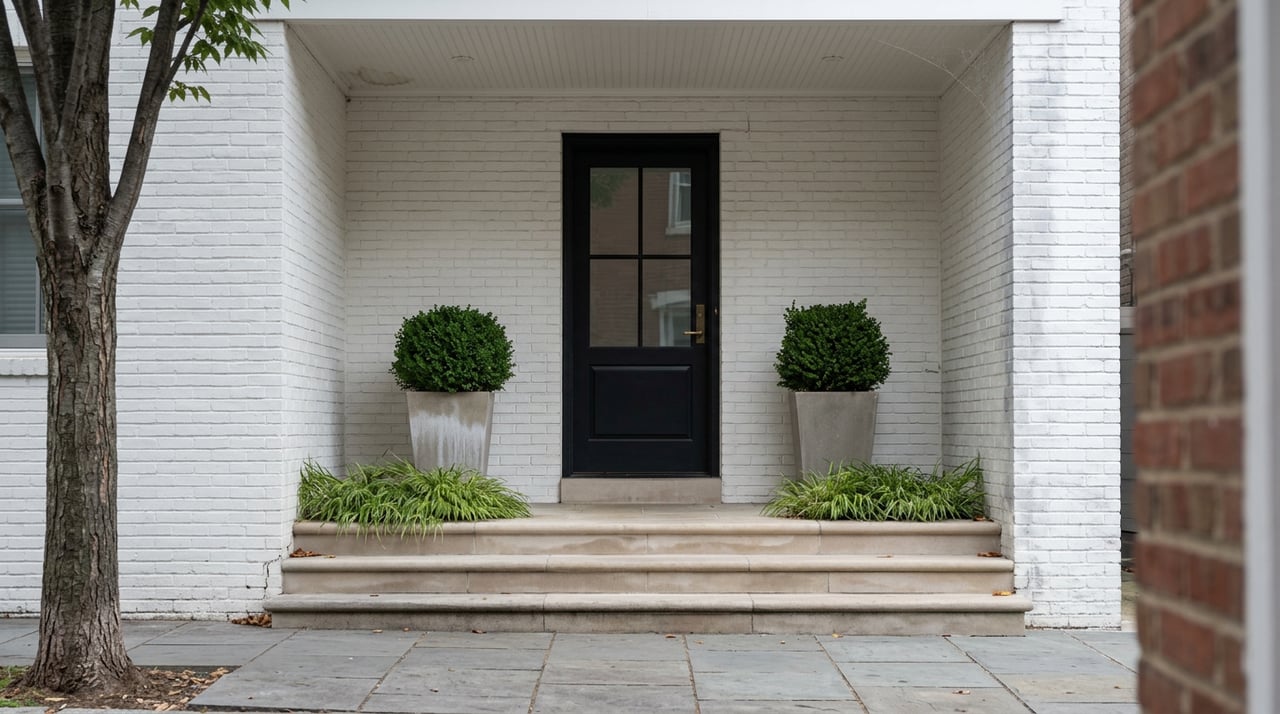
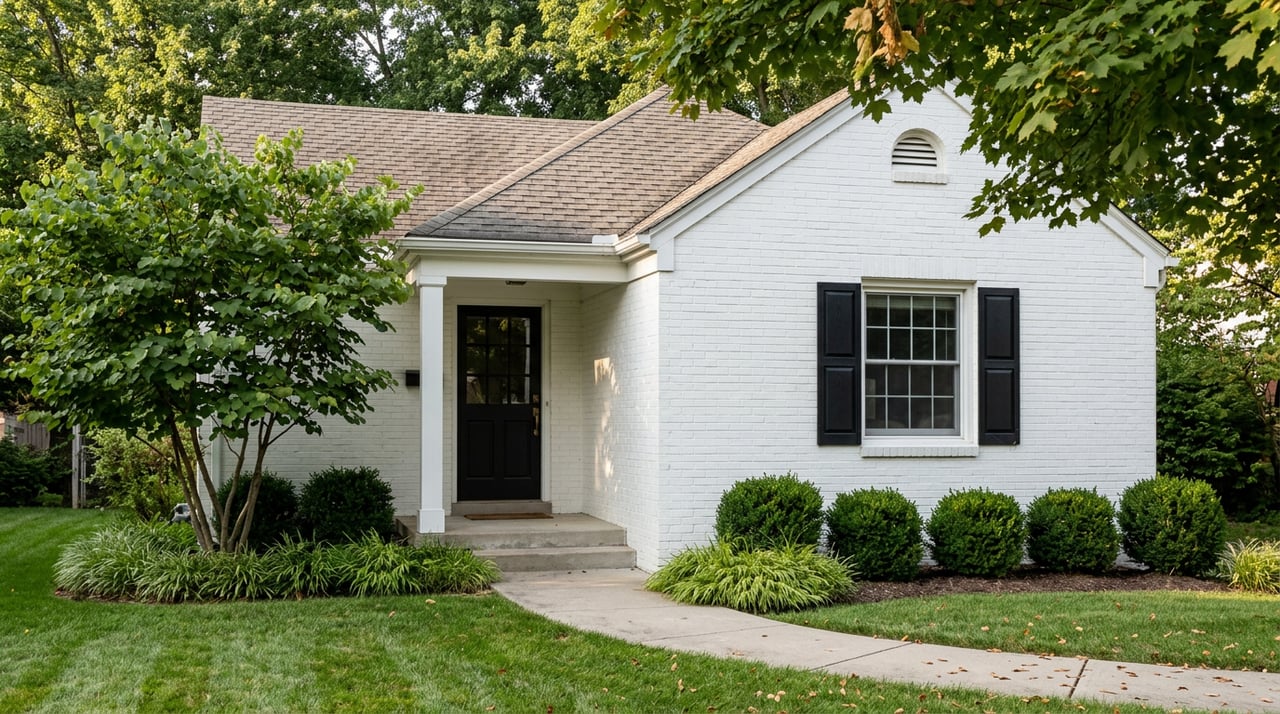
- Curb appeal: Trim landscaping, refresh the front door, and update house numbers.
- Entry and living spaces: Declutter, depersonalize, neutralize paint, and arrange furniture to highlight flow.
- Kitchens and baths: Deep clean, repair minor issues, and update hardware and lighting.
- Lighting and scent: Maximize natural light, use warm bulbs, and avoid strong odors.
Photography and listing assets
Professional photography, accurate room dimensions, floor plans, and virtual or 3D tours increase online engagement. Clear listing descriptions that reference walkability and proximity to downtown and OSU help attract the right buyers without overpromising.
Pre-list inspections and smart repairs
A pre-list inspection can uncover issues that might derail negotiations or an appraisal. Prioritize repairs with strong return and low risk, such as safety items, roof leaks, and major mechanicals. Bring receipts, permits, and warranties to show thoughtful improvements.
Time your launch
Buyer activity often peaks in spring across many markets, though Bexley’s small size can produce different seasonal rhythms. Confirm local patterns with MLS data. Listing just before the weekend, such as Thursday or Friday, can concentrate showings, but use local performance data and agent experience to set your target day.
Whatever timing you choose, make sure your marketing assets, staging, and property documents are complete before you go live. The first two weeks matter most for building momentum.
Appraisal readiness with aggressive pricing
How appraisers evaluate value
Appraisers give primary weight to recent closed sales that are physically and functionally similar to your home. In a fast-changing market, they may also consider pending and active listings as context. Their goal is to determine market value as of the effective date, with clear explanations for any adjustments.
Reduce appraisal risk
If you aim for strong early demand or accept an offer above recent comps, prepare for appraisal risk. You can mitigate it by:
- Providing a comps packet with recent closed sales, pendings, and actives that support your contract price.
- Sharing a documented list of upgrades and repairs with receipts and permits.
- Considering appraisal gap clauses, larger down payments, or lender appeals when appropriate.
- Understanding program differences among conforming, FHA, and VA loans and timelines so you can plan accordingly.
A step-by-step pricing plan
Follow a clear process to set a targeted price and launch with confidence:
- Market scan
- Pull the last 6 to 12 months of Bexley solds and flag 3 to 8 best comps. Document why each comp was chosen and note any outliers.
- Review current actives and pending sales to spot direction and competition.
- Adjustments and pricing range
- Calculate price per square foot as a starting point, then make line-item dollar adjustments for GLA, beds and baths, finished basement, lot, condition, and key upgrades.
- Establish a low, target, and high list price with rationale and expected buyer response for each.
- Strategy selection
- Choose your approach based on priorities like speed, price, and certainty.
- If you plan an aggressive price to spark demand, set a fallback plan in case offers exceed comps and create an appraisal gap.
- Preparation and presentation
- Complete a targeted staging checklist that highlights character and livability.
- Order professional photos and a floor plan and gather permits, warranties, and receipts into a property packet.
- Consider a pre-list inspection to address items that could disrupt negotiations.
- Launch timing and marketing
- Time your list date to capture peak showing windows identified in local MLS data.
- Ensure your listing description is precise and highlights Bexley-relevant strengths without exaggeration.
- Early read and quick adjustment
- Track online engagement and showings in week one. If momentum is soft after 7 to 14 days, evaluate a price or presentation adjustment.
- Managing multiple offers
- Set clear offer review guidelines. Evaluate escalation terms and appraisal contingencies. Communicate appraisal risk and documentation expectations upfront.
Early feedback and adjustments
The market’s first response is your best teacher. Monitor click-through rates, showing volume, and agent feedback. If you see strong traffic with no offers, presentation or price may need refinement. If traffic is light, broaden exposure, adjust the description, or consider a strategic price move within your established range.
Common mistakes to avoid
- Relying on county averages instead of Bexley-specific comps and trends.
- Leaning too heavily on public portal estimates when MLS data tells a different story.
- Using outlier sales to justify a price that the broader buyer pool will not support.
- Listing before staging, photography, or documentation is complete.
- Ignoring potential appraisal risk and failing to prepare value evidence.
The bottom line
You can price your Bexley home to maximize early demand and still support a successful appraisal and closing. The key is a hyper-local comp set, clear adjustments, thoughtful use of price bands, excellent presentation, and a disciplined launch plan. With the right strategy, you invite the largest pool of qualified buyers and give yourself leverage when it matters most.
Ready to talk through your price range and launch plan for Bexley? Schedule a conversation with Anne DeVoe to get a tailored analysis and a step-by-step path to market.
FAQs
How many comps should I use for a Bexley list price?
- Aim for 3 to 8 well-documented comps, expanding time or radius only when necessary and noting the reasons.
Does pricing just under a round number help in Bexley?
- It can increase visibility across buyer search filters, but use it when real demand supports your price.
Will staging affect my home’s appraised value?
- Appraisers do not score staging, but staging can improve buyer perception and sale price while documentation of actual upgrades supports appraised value.
What if my Bexley home sells over list price?
- Prepare for appraisal risk by documenting comps and upgrades and by negotiating appraisal contingencies or gap clauses when appropriate.
When is a pre-list inspection a good idea in Bexley?
- It helps when you suspect hidden issues, own an older home, or want to reduce post-inspection renegotiation and build buyer confidence.