If you are trying to decide between Bridge Park and suburban Dublin, you are really choosing between two different daily rhythms. One puts dining, entertainment, green space, and housing close together in a compact district. The other offers a more traditional residential pattern built around single-family homes, neighborhood streets, and amenities spread across the city. This guide will help you compare how each option feels in real life so you can focus on the lifestyle that fits you best. Let’s dive in.
Bridge Park at a Glance
Bridge Park is a 30-acre mixed-use district along the Scioto River. It combines housing, restaurants, shops, office space, hotels, entertainment venues, event space, and green space in one compact area.
That layout shapes how you move through the day. Instead of planning around separate stops across town, you can often walk between where you live, eat, meet friends, and spend free time.
Suburban Dublin at a Glance
Suburban Dublin has a different feel. Across the city, the residential pattern is still largely made up of single-family homes, and city planning documents describe the existing housing stock as predominantly single-family and mostly built between 1980 and 2000.
In practical terms, that means many neighborhoods feel quieter and more spread out. Your daily routine is more likely to center on home, the car, and neighborhood-scale parks and amenities rather than one compact activity district.
Housing Styles Compared
Bridge Park Housing Options
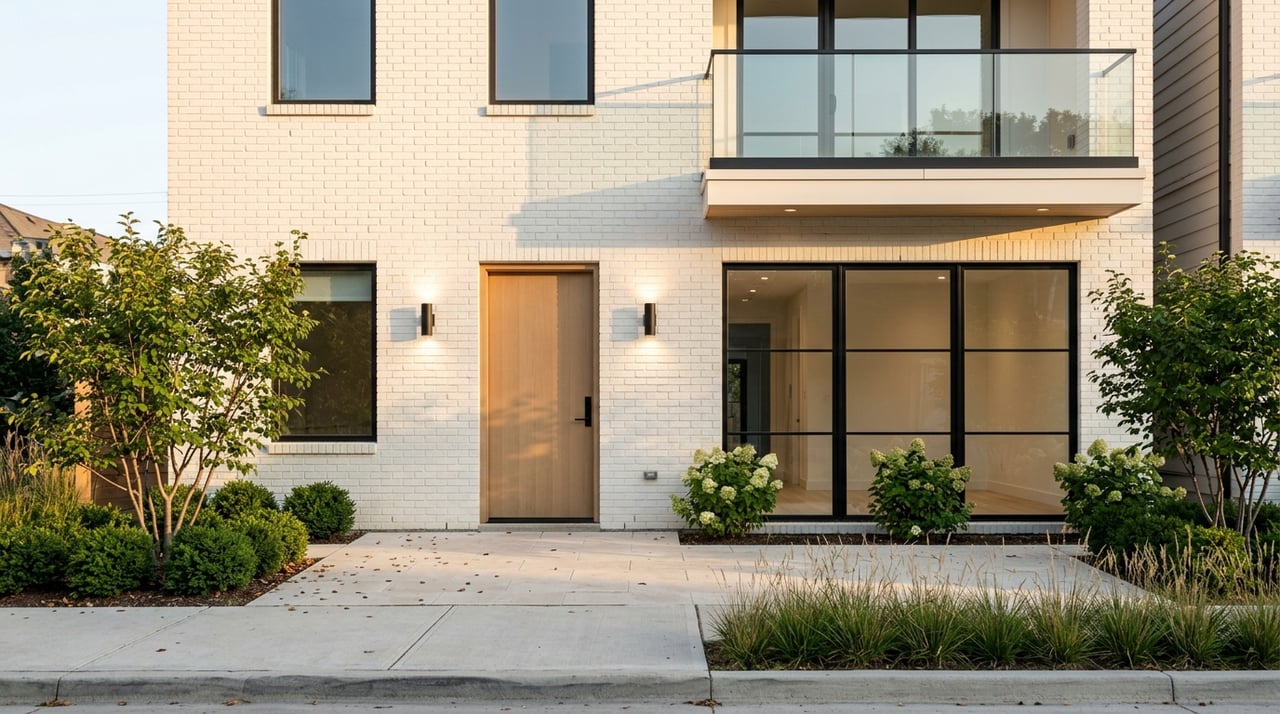
Bridge Park offers a wider mix of attached and multi-family housing types. Current options highlighted by the district include apartments, condos, townhomes, and 55+ living, with layouts ranging from studios to four-bedroom residences.
Some homes also include features like private balconies or patios, attached garages, and rooftop or outdoor living space. If you prefer lower-maintenance living or want newer attached housing in a walkable area, this mix may stand out.
Suburban Dublin Housing Pattern
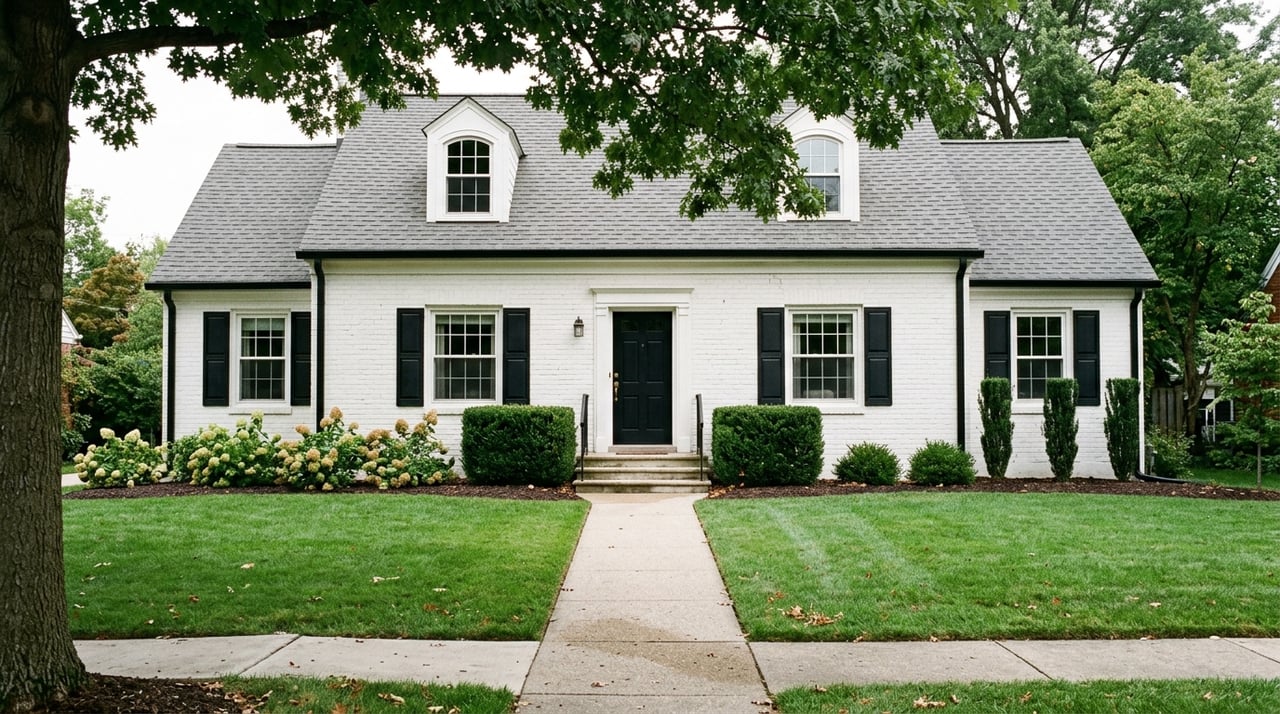
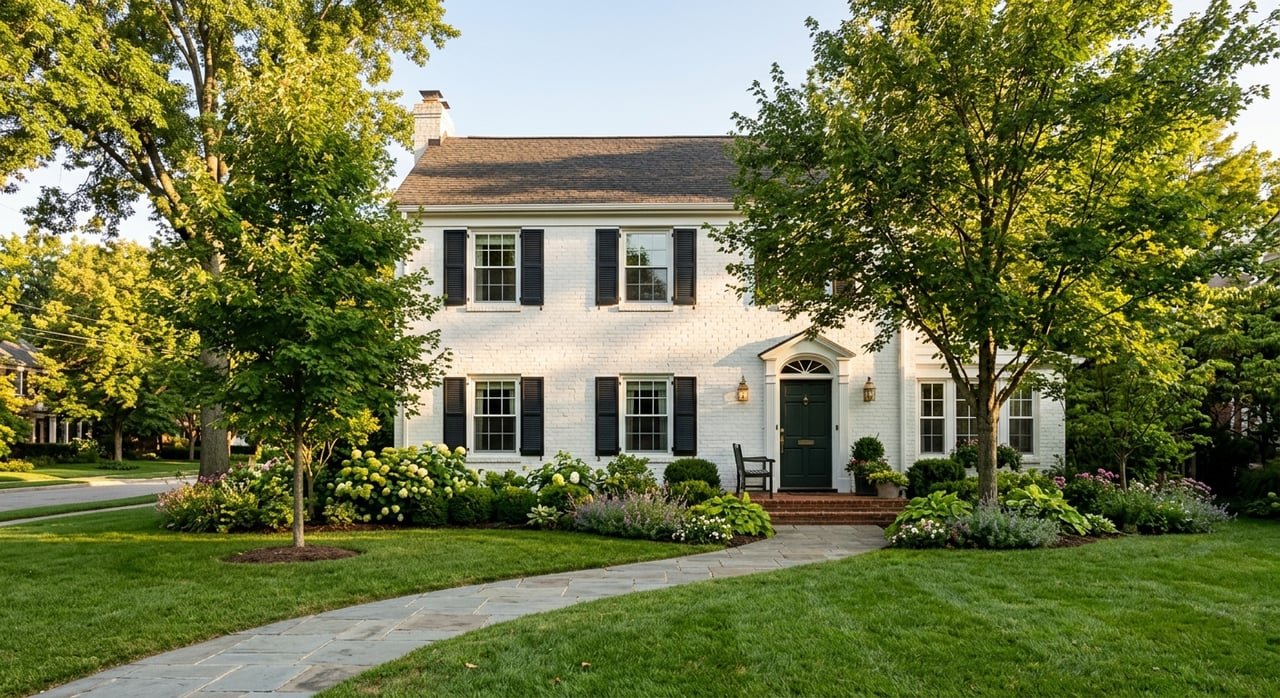
Suburban Dublin is still anchored by detached single-family homes. The city has said it wants to preserve established neighborhoods while broadening housing choices over time, but the dominant pattern today remains more traditional and residential.
If you picture a home with more separation from neighboring properties and a neighborhood-first setting, suburban Dublin may feel more aligned with that goal. It is often the better match for buyers who want a classic suburban streetscape.
Daily Convenience and Errands
Living in Bridge Park
Bridge Park concentrates many everyday conveniences in one place. The district highlights dining, nightlife, shopping, entertainment, year-round events, and a farmers market, all within the same general area.
That can make daily life feel efficient and spontaneous. You may be able to head out for coffee, dinner, or an event without needing to plan a drive across town.
Living in Suburban Dublin
In suburban Dublin, amenities are more spread out. You still have access to shopping, parks, recreation, and services across the city, but they are typically distributed rather than clustered into one compact district.
For some buyers, that is a plus. A more residential setting can feel calmer, with daily life centered around home and nearby neighborhood amenities rather than a busier mixed-use environment.
Green Space and Recreation
Bridge Park Outdoor Access
One of Bridge Park’s strengths is that it pairs an urban-style layout with outdoor access. Residents and visitors can walk to Riverside Crossing Park, the Dublin Link, pocket parks, bike paths, and walking trails.
That gives the district a balanced feel. Even with its concentration of restaurants and activity, green space remains part of the everyday experience.
Suburban Dublin Parks Network
Suburban Dublin also offers strong access to outdoor space, just in a different format. The city reports more than 1,136 acres of developed parkland, 64 developed parks, and over 154 miles of bikepath.
That scale matters if parks and recreation are part of your routine. Rather than relying on one central district, suburban Dublin connects residents to a broad network of greenways, parks, protected streams, and landscaped public spaces across the city.
Walkability and Mobility
Getting Around Bridge Park
Bridge Park is designed to support shorter internal trips. The area is also about 1.5 miles from the Dublin, US-33, and I-270 interchange, with OH-161 and Riverside Drive serving the district, so regional access stays practical.
The Dublin Link adds a direct pedestrian connection across the Scioto River. At the same time, free on-street parking and parking garages make it easy to combine walking and driving instead of relying on only one mode.
Getting Around Suburban Dublin
Suburban Dublin is generally more car-oriented. The city’s bikeway master plan supports connections between parks, shopping centers, major residential neighborhoods, employment centers, and other destinations, but not every area functions as walk-to-everything living.
That does not mean mobility is limited. It means the experience is usually different from Bridge Park, with driving playing a larger role in everyday routines.
Social Rhythm and Atmosphere
Bridge Park Lifestyle Feel
Bridge Park tends to feel active, connected, and social. Because homes, restaurants, entertainment, and public spaces are close together, the district naturally supports more visible day-to-day activity.
If you enjoy stepping outside and having things happening around you, that energy can be appealing. It often suits buyers who want convenience and a more connected public-facing lifestyle.
Suburban Dublin Lifestyle Feel
Suburban Dublin often feels more residential and private. The broader layout of homes, neighborhood streets, and dispersed amenities creates a different pace.
If your ideal day revolves more around home, yard space, neighborhood parks, and driving to planned destinations, suburban Dublin may feel like the better fit. Neither option is better across the board. They simply support different ways of living.
Which Option May Fit You Best
Choosing between Bridge Park and suburban Dublin often comes down to how you want your normal Tuesday to feel, not just your weekends. Think about whether you want your routine to revolve around walking to restaurants and events or returning to a more traditional neighborhood setting.
Bridge Park may be a strong fit if you want:
- A walkable mixed-use environment
- Attached housing such as condos, apartments, or townhomes
- Easy access to dining, events, and entertainment
- A lifestyle that blends public spaces with home life
Suburban Dublin may be a strong fit if you want:
- A more traditional single-family home setting
- A quieter, more residential streetscape
- Daily routines centered more on home and neighborhood parks
- Access to parks and bikepaths across a larger city landscape
The right choice depends on your priorities, your housing preferences, and how you define convenience. For some buyers, being able to walk to dinner is the top priority. For others, having a more detached residential setting matters more.
If you are weighing both options, a thoughtful home search can help you compare not just listings, but lifestyle fit. The team at Anne DeVoe can help you narrow your options and move forward with clarity.
FAQs
What is the main lifestyle difference between Bridge Park and suburban Dublin?
- Bridge Park is a compact mixed-use district built around walkability and clustered amenities, while suburban Dublin is more residential, more spread out, and generally more car-oriented.
What housing types are available in Bridge Park in Dublin?
- Bridge Park includes apartments, condos, townhomes, and 55+ living, with options ranging from studios to four-bedroom residences.
What kind of homes are most common in suburban Dublin?
- Suburban Dublin is still predominantly made up of single-family homes, with much of the existing housing stock built between 1980 and 2000.
Is Bridge Park in Dublin walkable for daily errands and recreation?
- Yes. Bridge Park brings together dining, shopping, entertainment, events, and access to places like Riverside Crossing Park, the Dublin Link, trails, and bike paths in one area.
Does suburban Dublin offer strong park access?
- Yes. Dublin reports more than 1,136 acres of developed parkland, 64 developed parks, and over 154 miles of bikepath across the city.
Is suburban Dublin less convenient than Bridge Park?
- Not necessarily. The difference is that suburban Dublin’s amenities are more distributed, so convenience often depends more on driving and neighborhood location than on one central walkable district.