If you have started looking at homes in Upper Arlington, you have probably noticed something quickly: one street can feel very different from the next. That is because Upper Arlington is not defined by one look or one floor plan. Its housing stock tends to cluster by era, which means style, layout, lot feel, and upkeep can change a lot depending on where you search. In this guide, you will get a practical way to understand the home styles and layouts you are most likely to see so you can focus on what fits your life best. Let’s dive in.
Why Upper Arlington Homes Vary So Much
Upper Arlington began developing in 1913 and grew over time through expansion and annexation. Early planning emphasized open green space, parks, and generous setbacks, which still helps explain why lot character can vary from one area to another today.
That history matters because Upper Arlington is best understood as an era-based housing market rather than a place with one dominant home style. Earlier revival-era homes are concentrated in the Historic District and nearby south-of-Lane areas, while many mid-century ranch and split-level homes appear in neighborhoods like Kingsdale and Middlesex. Later areas, including North UA, tend to show more variety in both style and form.
Classic Revival and Colonial Homes
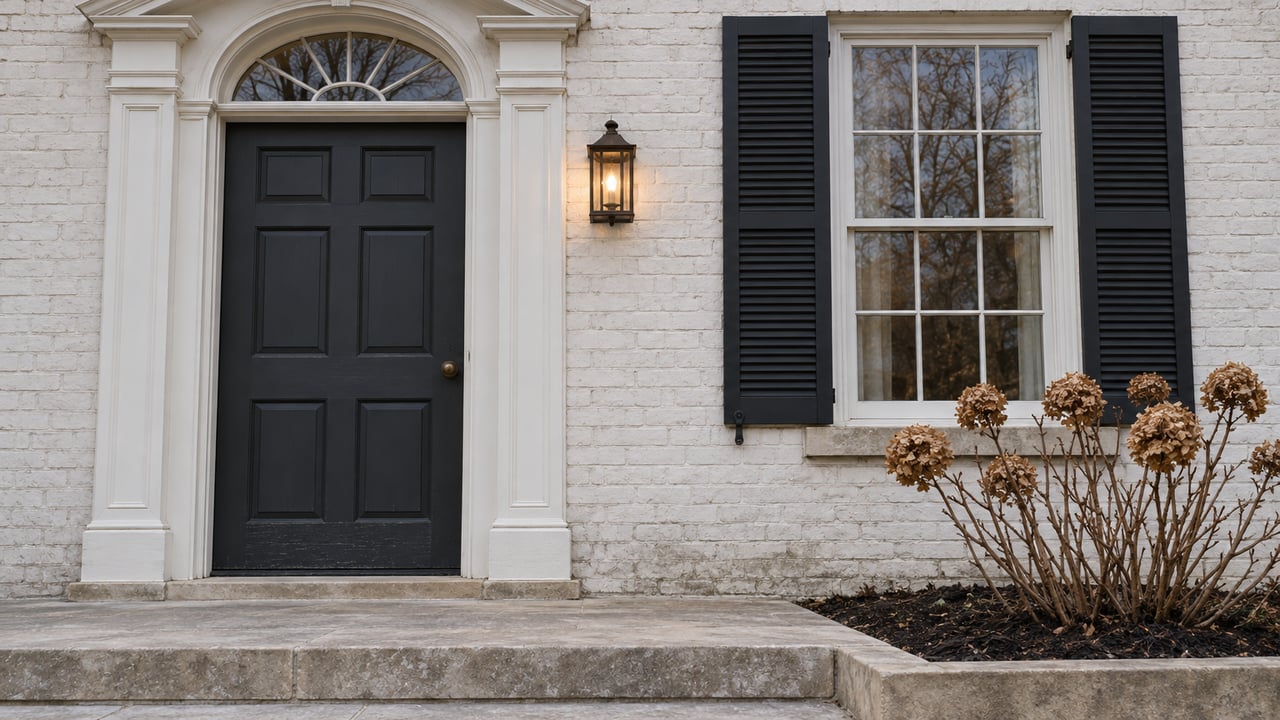
If you are drawn to architecture with strong visual identity, you will likely notice Upper Arlington’s revival and colonial homes first. Local historic sources identify styles such as Georgian Revival, Tudor Revival, Dutch Colonial Revival, New England Colonial Revival, English Country Revival, French Provincial Revival, Spanish Colonial or Mediterranean Revival, Arts and Crafts, and Cape Cod Revival.
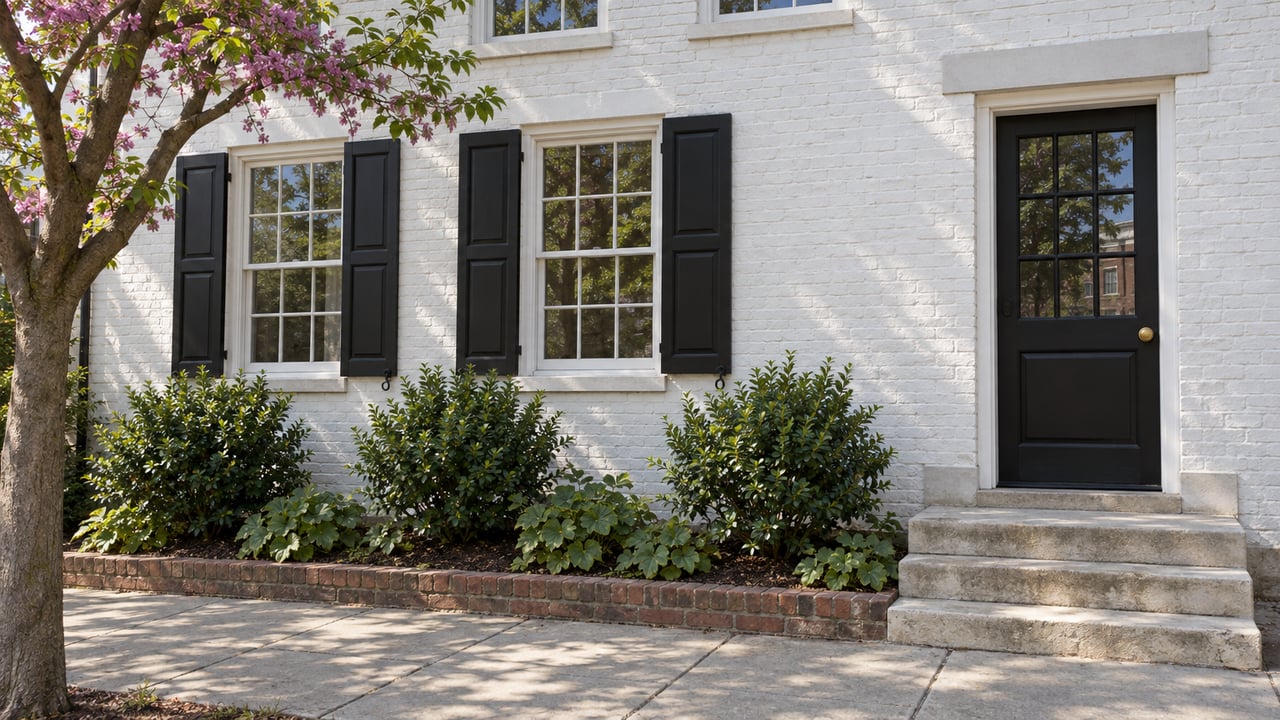
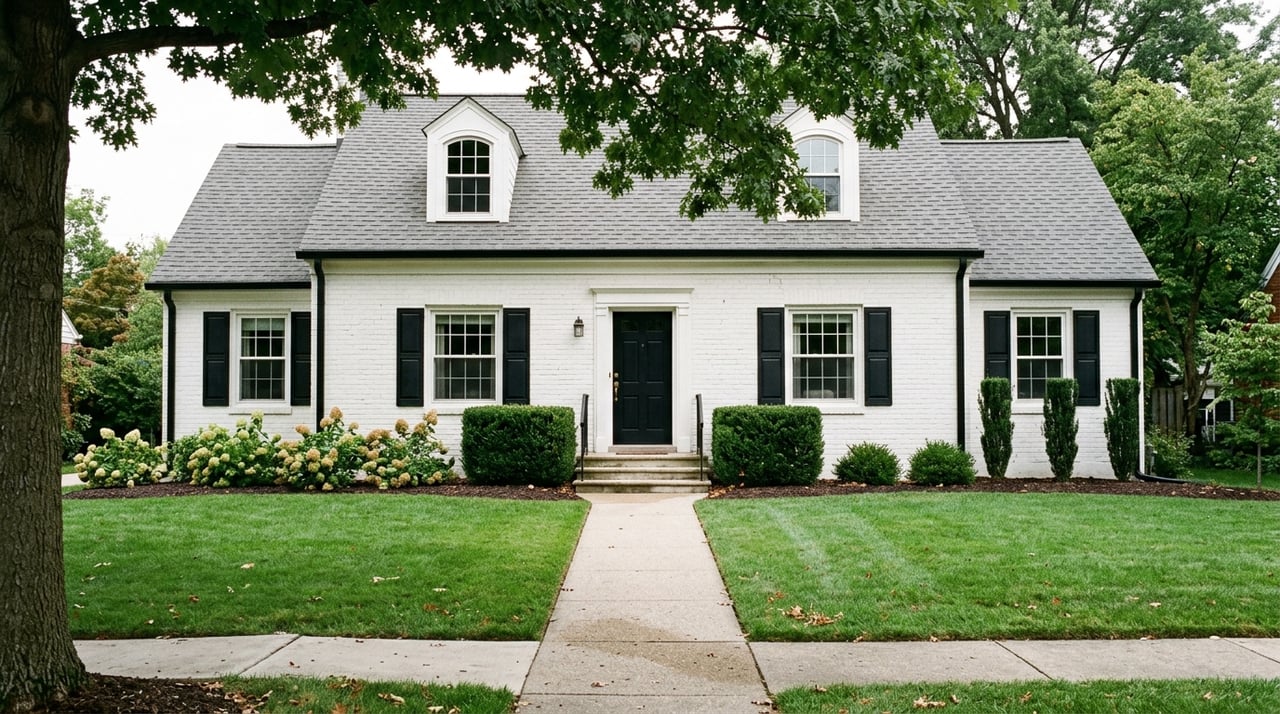
These homes are often two to two-and-a-half stories and may include central halls, symmetrical facades, brick or stone exteriors, steep roofs, dormers, decorative chimneys, leaded windows, or half-timbering. Inside, you will often find a more formal room arrangement than in later ranch-style homes.
For many buyers, the appeal is clear. You get architectural character, a sense of history, and a layout that often separates living spaces in a traditional way. At the same time, more exterior detail and more complex rooflines can also mean more maintenance over time.
Where You’ll See Them
The Historic District is one of the clearest examples of this housing type. According to the city’s neighborhood typology, homes there are commonly 2 to 2.5 stories, often Tudor and Revival in style, with brick or stone exteriors and construction dates from the 1900s to 1940s.
South-of-Lane areas nearby also tend to reflect this earlier development pattern. If your priority is timeless architecture and a more formal floor plan, these are often the areas to study most closely.
Cape Cod Homes in Upper Arlington
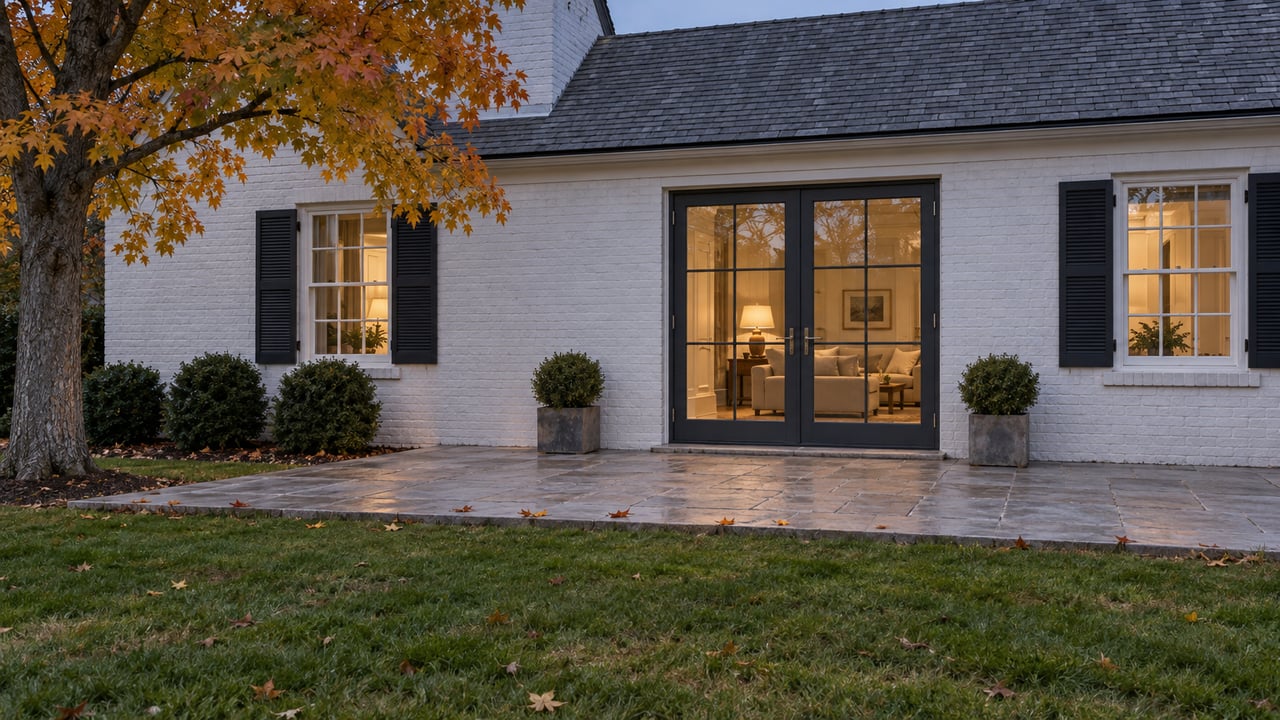
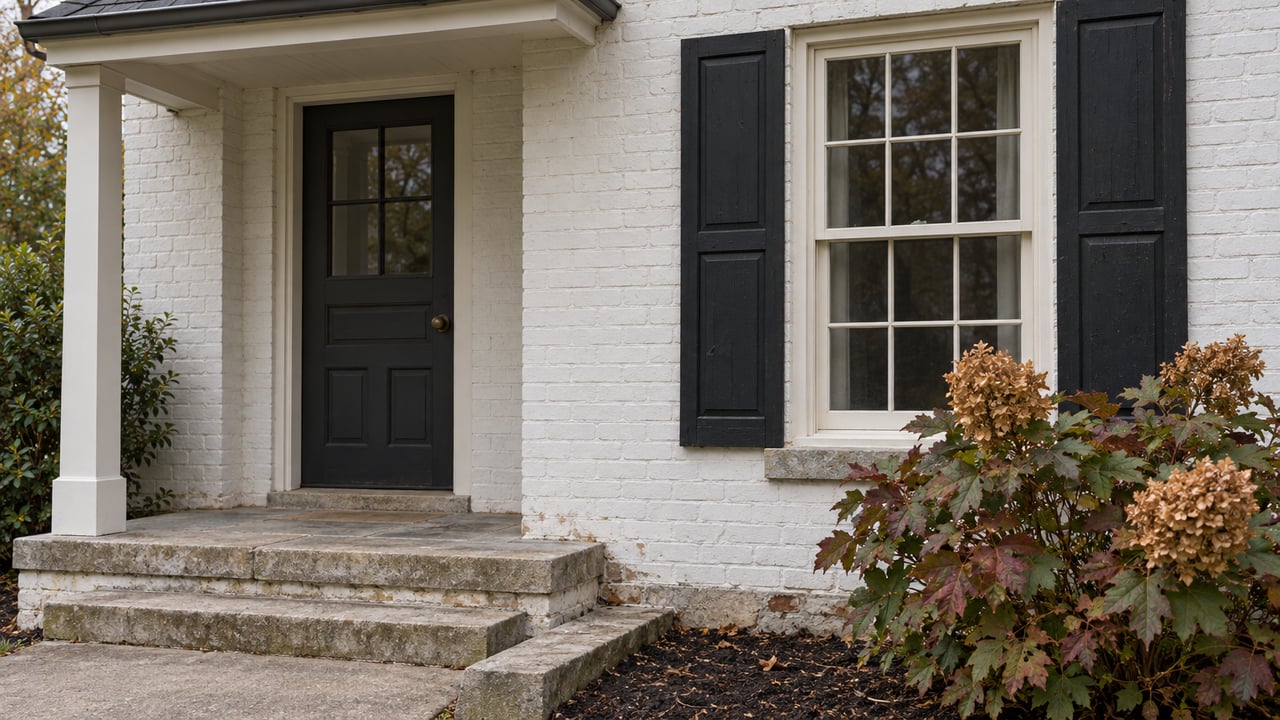
Cape Cod Revival homes were especially popular from the 1920s through the 1950s. In Upper Arlington, they are usually compact one- to one-and-a-half-story homes with steep gabled roofs, central entrances, and simple shutters.
These homes often feel efficient and approachable because their footprints are typically smaller than those of larger revival homes. You may find that the layout works well if you want character without as much square footage to furnish and maintain.
That said, many Cape Cod homes are still older homes. So while they can feel manageable in size, they may still come with the upkeep that often follows traditional materials and older-house components.
Neighborhoods With Cape Cod Homes
The city’s neighborhood policy places Cape Cod homes in areas such as Brandon Heights and River Ridge Extended. In Brandon Heights, homes are generally 1.5 to 2 stories and were largely built in the 1940s to 1950s. In River Ridge Extended, Cape Cod and ranch homes are common, with much of the housing dating to the 1950s.
If you like charm, compact scale, and a classic exterior, these areas may offer a strong fit. They are also worth comparing carefully block by block because lot dimensions and home updates can vary.
Ranch Homes and One-Level Living
For buyers who value easy daily flow, ranch homes are often a standout option. Ranch houses are typically one story, long and low in form, and known for simpler circulation and more open living arrangements.
Mid-century ranches often reduced the need for a formal dining room and frequently included attached garages or carports. In practical terms, that means you may find a layout that feels more casual and easier to navigate than older, more segmented floor plans.
One of the biggest reasons buyers gravitate toward ranch homes is one-level living. If you want fewer stairs in your day-to-day routine, a ranch can be one of the most straightforward choices in Upper Arlington.
Where Ranch Homes Are Common
The city identifies ranch-heavy neighborhoods such as Canterbury, Kingsdale, Middlesex, and River Ridge Extended. Canterbury homes are often 1 to 1.5 stories, with ranch and colonial styles common and many homes dating to the 1940s and 1950s.
In Kingsdale and Middlesex, ranch and split-level homes are especially common, with much of the housing built in the 1950s to 1960s. These neighborhoods also generally have lot sizes larger than minimum zoning standards, which can affect how the homes sit on the lot and how additions may be approached.
Split-Level Homes and Flexible Separation
Split-level homes are closely related to ranches, but their layout works differently. They are typically arranged in two sections with three floor levels: a main living level, an upper bedroom level, and a lower level that may include a garage, recreation room, or additional bedroom space.
This layout often appeals to buyers who want some separation between shared living space and private rooms without moving into a full two-story house. You may find that the half-level design offers flexibility while still keeping the home relatively compact in footprint.
The tradeoff is that split-level living involves more internal stair use than a ranch. So if stair-free living is a top priority, this style may not be the best fit even if the overall size and layout appeal to you.
Where Split-Levels Show Up
In Upper Arlington, split-levels are common in mid-century neighborhoods such as Kingsdale and Middlesex. If you are comparing homes in these areas, it helps to think beyond square footage and pay attention to how the levels connect and how often you would need to move between them during a normal day.
Newer Custom Homes and Infill
If your taste leans more contemporary, or if you want a newer layout, Upper Arlington does offer options beyond its older housing stock. Later-era neighborhoods such as North UA tend to show more variety in style and form than the earliest south-of-Lane sections.
That does not mean new construction is treated as a blank slate. The city reviews new homes and major changes through a neighborhood-compatibility framework that looks at factors such as height, massing, roof shape, materials, and overall fit within the street.
This is especially important if you are considering a newer custom home or a property with expansion potential. Some blocks have less pronounced character and allow more flexibility, while others are more clearly defined by the existing homes around them.
What to Expect in North UA
The city’s typology chart describes North UA as largely made up of 2 to 2.5 story homes built from the 1960s to 1980s, with a broader variety of styles and lot sizes generally larger than minimum standards. For buyers, that can mean more choice in layout and exterior design.
It can also mean that lot use, roofline, and massing deserve careful review when you are comparing homes or thinking ahead to renovations. In Upper Arlington, a house is rarely just an isolated property. Its design is considered in context with the surrounding street.
Lot Size, Setbacks, and Street Feel
One reason Upper Arlington feels so varied is that lot size, setbacks, and block patterns are not the same everywhere. Early planning emphasized generous setbacks and open space, and several mid-century and later neighborhoods have lots that are generally larger than minimum zoning standards.
Brandon Heights is a good example of why this matters. The city notes that lot splits are common there to revert back to the original plat, which means lot width, depth, and shape can vary more than a buyer might assume at first glance.
That is why two homes with similar square footage can live very differently depending on their lot. Yard use, privacy, expansion potential, and how the home sits on the street are all part of the equation.
Maintenance and Renovation Considerations
Home style is not only about appearance. It also affects the kind of upkeep and future planning you may need to consider.
As a practical rule of thumb, homes with more complex rooflines and more exterior detailing usually require more time and attention to maintain. That is often more relevant in revival-era homes with chimneys, dormers, shutters, mixed materials, or half-timbering.
Ranches usually have simpler massing and fewer decorative elements, which can make exterior upkeep feel more straightforward. Split-level homes may be visually simpler than some older revival homes, but their half-floor design can add a different kind of functional complexity inside.
If you are thinking about a major addition or exterior change, city review also matters. Upper Arlington’s Community Development team oversees planning, building, and code compliance, and the city uses compatibility rules to keep additions and new homes in scale with nearby properties.
Historic District Considerations
Historic District homes are not treated the same way as ordinary teardown-and-rebuild properties. The district is recognized for its historic character, and the city adopted demolition-delay legislation in 2009 that discourages, but does not prohibit, total demolition so alternatives can be considered.
The Upper Arlington Historical Society also provides building guidelines intended to help owners restore or preserve original architecture or renovate sensitively. If you are considering a home in the Historic District, it is wise to weigh both the charm and the added design responsibility that may come with ownership.
How to Match Style to Lifestyle
The best Upper Arlington home for you is not always the one with the most curb appeal. It is the one whose layout, lot, and maintenance profile align with how you actually live.
Here is a simple way to think about it:
- Choose revival or colonial homes if you want architectural character, stronger separation of rooms, and a traditional feel.
- Choose Cape Cod homes if you want charm and a more compact footprint.
- Choose ranch homes if you want one-level living and simpler day-to-day circulation.
- Choose split-level homes if you want separation between living and sleeping spaces without going fully two-story.
- Choose newer custom or infill homes if you want more variety and a more contemporary layout, while still paying close attention to neighborhood compatibility rules.
In Upper Arlington, style and layout are closely tied to location. Understanding that relationship can save you time and help you make a more confident decision.
If you want help comparing neighborhoods, evaluating floor plans, or identifying homes that match your design preferences and practical needs, working with a team that knows Upper Arlington block by block can make the process much smoother. Anne DeVoe offers thoughtful, concierge-level guidance for buyers and sellers who want a tailored approach in this market.
FAQs
What home styles are most common in Upper Arlington?
- Upper Arlington commonly includes revival and colonial homes, Cape Cods, ranch homes, split-level homes, and newer custom or infill homes, with styles often clustering by neighborhood and development era.
Where are ranch homes common in Upper Arlington?
- Ranch homes are especially common in Canterbury, Kingsdale, Middlesex, and River Ridge Extended, where many homes were built in the 1940s through 1960s.
What is the layout of a split-level home in Upper Arlington?
- A split-level home typically has three levels, including a main living level, an upper bedroom level, and a lower level that may contain a garage, recreation room, or additional living space.
Which Upper Arlington areas have older revival-style homes?
- The Historic District and nearby south-of-Lane areas are the strongest places to find older revival-style homes with more formal layouts and distinct architectural detailing.
Are newer homes in Upper Arlington subject to design review?
- Yes. Upper Arlington reviews new homes and major exterior changes through a neighborhood-compatibility framework that considers factors like height, massing, roof shape, materials, and fit with surrounding homes.
What should buyers know about Historic District homes in Upper Arlington?
- Buyers should know that Historic District homes are recognized for their historic character, are subject to demolition-delay rules, and may require more careful planning for restoration, renovation, or major exterior changes.