Wondering how to prepare a Worthington character home for sale without stripping away the very details that make it special? You are not alone. Selling an older home can feel like a balancing act between preservation, presentation, and paperwork, especially in a city where architectural character is part of the local identity. This guide will help you focus on the updates that matter most, avoid common missteps, and get your home market-ready with confidence. Let’s dive in.
Why Worthington character matters
Worthington is one of the Midwest’s first planned communities, founded in 1803, with a historic village green, brick sidewalks, and a long-standing preservation framework. In practical terms, that means buyers often see character here as a real asset, not just a style preference.
Worthington’s design guidance reflects a broad mix of architectural styles, including Federal, Greek Revival, Queen Anne, Craftsman/Bungalow, and Colonial Revival. If your home has original proportions, masonry, trim, porches, or mature landscaping, those details may be part of what makes it stand out in the market.
For some homes, that character also comes with review requirements. In the Architectural Review District, exterior changes are subject to review, and the Architectural Review Board helps preserve the community’s distinctive historic and architectural character.
Start with preservation, not over-updating
When you prepare a character home for sale, your goal is not to make it look brand new. Your goal is to help buyers see that the home has been cared for, respected, and maintained.
Worthington’s residential guidelines consistently favor repair and retention over wholesale replacement. That means careful restoration often fits the home and the local context better than a full cosmetic overhaul.
Keep original features when possible
Older windows, traditional rooflines, masonry, and trim can be important parts of the home’s appeal. Worthington’s guidance says older windows should often be retained when they still perform well, and if replacement is necessary, the new design should match the original without changing the opening size.
That is an important point for sellers. If you replace visible exterior features with something that looks out of scale or out of character, buyers may notice, and so may the city if your home is in the review district.
Be careful with brick and painted surfaces
If your home has unpainted brick, Worthington’s guidelines say it should remain unpainted. If the brick is already painted, the city also warns that removing paint from older painted brick can damage soft historic masonry.
Before you take on brick work, it is smart to slow down and confirm what is appropriate for your home. A rushed exterior update can create avoidable cost and risk right before listing.
Focus on curb appeal that fits Worthington
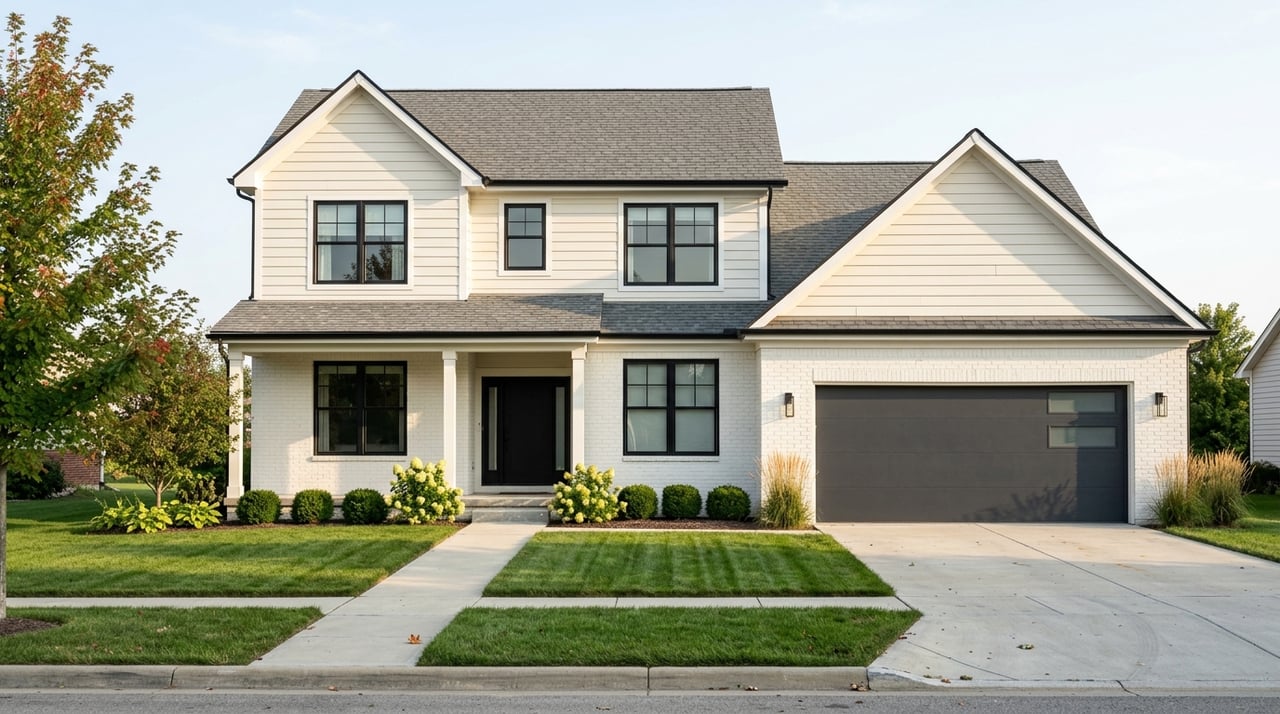
In a character neighborhood, curb appeal is not about adding as much as possible. It is about helping the home’s architecture show clearly from the street.
Worthington’s preservation priorities emphasize mature trees, preserved green space, landscaping, and sidewalk character. For many sellers, that means a clean, tidy front yard and trimmed plantings will do more than hardscape-heavy updates.
Prioritize these exterior prep steps
- Trim shrubs and branches that block windows, porches, or architectural details
- Keep landscaping pulled back from the house
- Clean walkways and entry areas
- Address obvious wear like peeling paint or damaged trim
- Make sure the front approach feels neat and easy to navigate
- Preserve mature landscaping where possible
These steps help buyers focus on the home itself. They also align with Worthington’s broader design and streetscape priorities.
Avoid exterior changes that may create issues
Some updates that seem simple can be more complicated in Worthington. The city notes that window, door, roofing, and siding replacements may require additional information, and more involved projects can trigger plan review or added approvals.
Worthington’s guidelines also state that front-yard fences are not permitted, while side-yard fences are expected to be open in style and limited in height. If you are considering a last-minute exterior project before listing, check the rules first.
Handle pre-listing repairs with extra care
Older homes often need touch-ups before they go on the market. The key is to address visible maintenance issues without creating bigger problems.
If your home was built before 1978, lead-based paint rules may apply. Federal rules generally require lead-based paint disclosures for most pre-1978 housing, and sellers must disclose known lead information, provide the approved pamphlet, and generally allow buyers a 10-day period to conduct a lead inspection or risk assessment.
Use lead-safe contractors when needed
If you plan to do renovation, repair, or painting work in a pre-1978 home, EPA recommends hiring a lead-safe certified contractor. Firms performing covered work in pre-1978 housing must be certified and follow lead-safe work practices.
That matters for many Worthington sellers because exterior trim, siding details, porches, and painted woodwork are often highly visible. If peeling paint or deferred maintenance is obvious, it is worth fixing properly before photos and showings.
Prepare for inspections and disclosures early
One of the best ways to reduce stress during a sale is to organize your known facts before buyers start asking questions. Older homes usually come with more history, more maintenance records, and more follow-up during contract review.
Ohio’s residential property disclosure form requires sellers of one- to four-unit residential properties to disclose known issues related to the roof, foundation, walls, floors, water supply, sewer system, structural movement, wood-destroying insects, mechanical systems, drainage or erosion, historic-district designation, assessments, shared driveways, and other known material defects.
Review common older-home issues
Before listing, take time to think through:
- Roof age and known leaks or repairs
- Foundation or structural movement you are aware of
- Plumbing, water supply, and sewer concerns
- Heating, cooling, and other mechanical system issues
- Drainage or erosion problems on the lot
- Past or present wood-destroying insect issues
- Hazardous materials you know about, including lead-based paint, asbestos, radon gas, or urea-formaldehyde foam insulation
The Ohio disclosure form is clear that it is not a warranty and not a substitute for inspections. Still, accurate and thoughtful disclosure helps build trust and can reduce surprises later.
Do not overlook historic-district status
Ohio’s disclosure form specifically asks whether the property is designated by a governmental authority as historic or located in a historic district. It also notes that this type of designation may limit changes or improvements.
If your home is in Worthington’s Architectural Review District, that is not a detail to gloss over. It is better to present that status clearly and explain any relevant approvals or completed work.
Gather permits and approval records
Buyers of older homes often want reassurance that major work was handled properly. A well-organized paper trail can make your listing feel more credible and better maintained.
Worthington has adopted a local property maintenance code and the 2018 International Property Maintenance Code along with state building codes. The city notes that even smaller projects may require permit review, while larger alterations and additions can require construction documents, a Certificate of Appropriateness from the Architectural Review Board, a zoning variance, or another planning approval.
Create a seller file before listing
Gather what you have into one place, such as:
- Building permits
- Contractor invoices and receipts
- Inspection sign-offs
- Warranty information if applicable
- Architectural Review Board approvals
- Certificate of Appropriateness documents if applicable
- Notes on dates of major repairs or replacements
For homes in the Architectural Review District, a Certificate of Appropriateness is required before a building permit can be issued for exterior alteration or new construction in the district. If you have completed exterior work, buyers may appreciate seeing that documentation quickly.
Position the home the right way
A Worthington character home usually performs best when it is marketed as a well-maintained historic asset, not as a generic updated house. Buyers drawn to these homes often notice original materials, scale, and craftsmanship.
That does not mean every old feature should stay exactly as-is. It means your preparation strategy should respect the home’s identity while addressing visible wear, known maintenance concerns, and documentation gaps.
What buyers often respond to
In Worthington, buyers may notice features like:
- Preserved porches
- Original window proportions
- Masonry and trim details
- Mature landscaping
- A clean, uncluttered exterior
- Evidence of thoughtful upkeep
The strongest presentation usually comes from showcasing what is already distinctive, repairing what is visibly worn, and making it easy for buyers to understand the home’s condition and history.
If you are planning to sell a character home in Worthington, a calm, tailored strategy can make a real difference. The right guidance can help you decide what to improve, what to preserve, and how to present the home in a way that respects its design and supports a smoother sale. When you are ready for a thoughtful, concierge-level approach, schedule a free consultation with Anne DeVoe.
FAQs
What makes a Worthington home a character home?
- In Worthington, character homes often reflect historic architectural styles and preserved details such as original window proportions, masonry, trim, porches, and mature landscaping.
What should you fix before selling an older Worthington home?
- Focus on visible maintenance issues, such as peeling paint, damaged trim, overgrown landscaping, drainage concerns, and other known problems that could come up during buyer inspections or disclosure review.
Do Worthington exterior updates need city approval?
- Some do. Worthington notes that projects like window, door, roofing, and siding replacements may require additional information, and homes in the Architectural Review District may also need Architectural Review Board approval.
Should you replace old windows before selling a Worthington character home?
- Not automatically. Worthington’s guidelines say older windows should often be retained when they still perform well, and if replacement is needed, the new windows should match the original design and opening size.
Do you have to disclose historic-district status in Ohio when selling a home?
- Yes. Ohio’s residential property disclosure form asks whether the property is designated historic or located in a historic district and notes that the designation may limit changes or improvements.
What paperwork should you gather before listing a Worthington character home?
- It helps to collect permits, contractor receipts, inspection approvals, warranty information, and any Architectural Review Board or Certificate of Appropriateness documents tied to exterior or major system work.