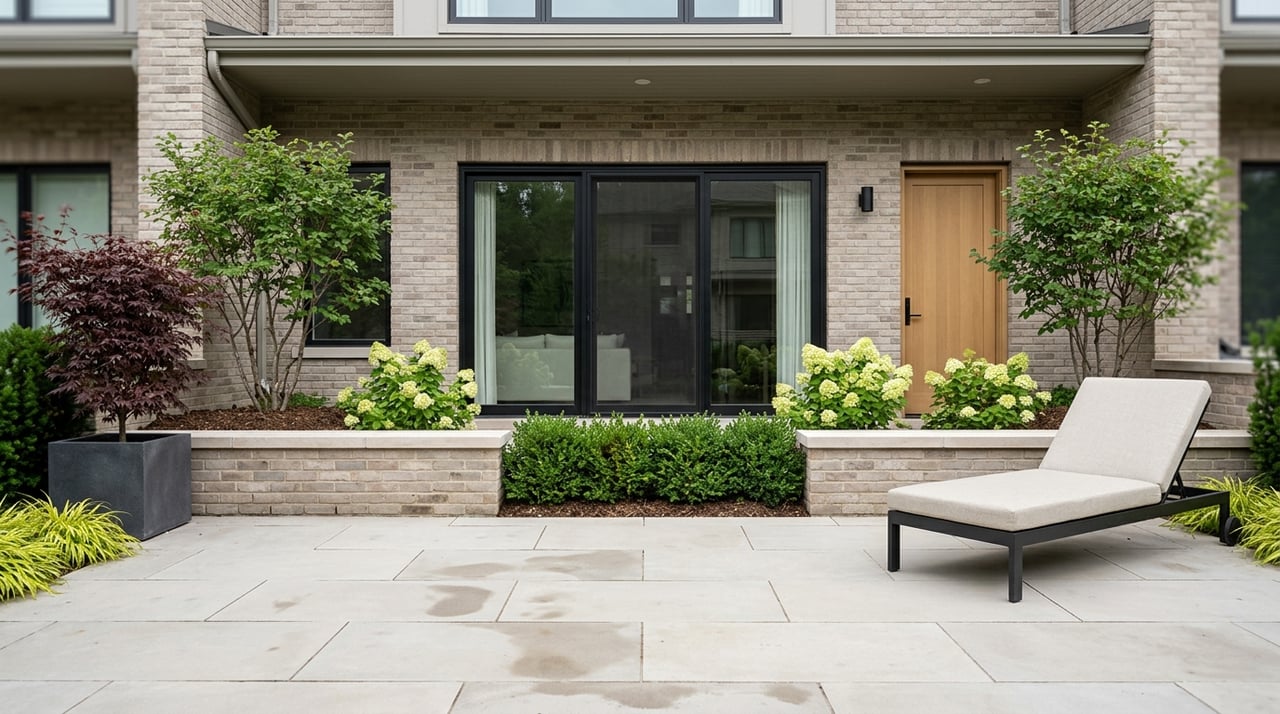
If you want less yard work without giving up location and convenience, Grandview Heights deserves a close look. This small, close-in city offers a walkable lifestyle, a mix of attached-home options, and easy access to dining, parks, and daily errands. Whether you are buying your first place, planning a downsize, or simply looking for a lower-maintenance home near downtown Columbus, understanding how condo and townhome living works here can help you make a smarter move. Let’s dive in.
Why attached living works in Grandview Heights
Grandview Heights packs a lot into a small footprint. According to the city’s community profile, it is just 1.3 square miles with 8,841 residents, a median age of 34, and more than 2,130 businesses. That size helps explain why attached living feels natural here.
The city also describes Grandview Heights as walkable, sustainable, and closely connected to its business districts, library, parks, and paths. On the city’s economic development page, Grandview Heights is noted for being minutes from downtown Columbus, with tree-lined streets, shops, and dining that support a local, pedestrian-friendly routine.
For many buyers, that is the main tradeoff and the main benefit. You may give up a large yard, but you gain easier upkeep and the ability to keep more of your day close to home.
What condos and townhomes look like
In Grandview Heights, attached homes generally fall into two broad categories. You will often see older condo buildings with efficient one-floor or simple multi-level layouts, along with newer townhomes that live more like compact single-family homes.
Older condo options can appeal to buyers who want straightforward living and manageable space. The research examples show layouts with features like open floor plans, covered balconies, primary suites, and second-floor laundry. That means you may find both one-floor living and practical multi-level units, depending on the building.
Newer townhomes, especially in Grandview Yard, often offer a different feel. The city’s Grandview Yard overview describes the area as a new neighborhood with restaurants, retail, and varied housing types, and newer examples in the market show features like three finished levels, private courtyards, attached garages, rooftop terraces, and even elevators in some cases.
Older condos vs newer townhomes
The right fit often comes down to how you want to live day to day. Older condos may offer a simpler footprint and easier one-level living, while newer townhomes usually provide more separation between living, sleeping, and guest space.
Here is a practical comparison:
| Option | Typical appeal | Things to review |
|---|---|---|
| Older condos | One-floor or efficient layouts, simpler living, balcony access, lower exterior maintenance | HOA coverage, storage, parking, building age, monthly dues |
| Newer townhomes | More house-like layout, multiple levels, attached garage, private outdoor space in some cases | Stairs, HOA rules, guest parking, monthly dues, level of maintenance included |
Neither option is automatically better. The better choice depends on whether you value ease and simplicity or extra space and a more house-like layout.
Walkability and daily convenience
One of the biggest reasons buyers consider condos and townhomes in Grandview Heights is lifestyle. The city calls Grandview Heights extraordinarily walkable and emphasizes the importance of sidewalks for pedestrian safety and accessibility.
That matters because walkability is not just about the occasional coffee run. It can shape your whole routine, from dinner plans to library visits to time outdoors. The city’s Our Community page highlights the Grandview Heights Public Library at 1685 W 1st Ave, and the city consistently ties together business districts, parks, and civic spaces in a way that supports everyday convenience.
Grandview Heights is also organized around several mixed-use districts and nodes, including First & Grandview, Goodale West, Grandview Yard, Grandview Crossing, and Southern Station. As noted on the city’s economic development page, those areas help keep shopping, dining, and services close by, which is especially appealing when you are choosing an attached home for convenience.
Parks, events, and local amenities
Attached living in Grandview Heights is not just about having less maintenance. It is also about enjoying the amenities around you.
The city’s Parks & Recreation Department says it offers more than 350 programs and special events each year. Amenities include the municipal pool, skate park, tennis and pickleball courts, and Wallace Gardens community garden plots.
Community events also add to the appeal. The city describes the Grandview Hop as an open-street night market along Grandview Avenue with more than 200 pop-up shops, 20 food trucks, and a Community Stroll connecting visitors to more than 60 local businesses, restaurants, and boutiques.
If your goal is to live somewhere that feels active and connected without needing a long drive for every outing, that lifestyle can be a meaningful advantage.
HOA coverage can vary a lot
One of the most important things to understand about condo and townhome living in Grandview Heights is that HOA dues do not all buy the same level of service. This is where many buyers need to slow down and compare details carefully.
The research examples show a wide range. In one newer Grandview Yard example, monthly HOA dues were about $329.79 and included lawn care, insurance, snow removal, plus access to amenities such as a clubhouse, fitness facility, pool, and sidewalks. Another condo example included gas, water, trash, building maintenance, courtyard access, and parking.
At the higher-service end, a Summit Chase example showed dues around $1,671 per month, with features such as 24/7 concierge service, pool, fitness rooms, club room, guest suite, utilities, and high-speed internet. That spread tells you something important: monthly dues need context.
Questions to ask about HOA fees
Before you buy, ask for a full breakdown of what the HOA covers. Two homes can have very different monthly fees, and one may provide much more than the other.
A smart review should include questions like these:
- What exterior maintenance is covered?
- Are water, gas, trash, or internet included?
- Is the building insured through the HOA, and what still requires your own policy?
- Are amenities included, such as fitness space, a pool, or guest suites?
- Are there any current or planned special assessments?
- Are there rules on rentals, pets, renovations, or exterior changes?
When you compare attached homes this way, you get a clearer picture of your true monthly cost and the level of convenience you are actually buying.
Parking deserves early attention
Parking is another detail that can make a big difference in attached-home living. Some buyers assume a garage or assigned spot is standard, but that is not always the case.
The city launched a resident-only parking permit program in parts of the northeast neighborhood in June 2025, with free resident permits and guest passes in designated areas. For condo and townhome buyers, this makes it especially important to confirm how resident parking, guest parking, garages, and street parking work before you get too far into the process.
If you entertain often, need multiple cars, or expect regular overnight guests, these details matter just as much as square footage. It is easier to sort them out early than to treat them as an afterthought.
Who condo and townhome living suits best
Grandview Heights attached living can work well for more than one kind of buyer. The city’s profile points to a relatively young median age and a close-in location, which supports demand from buyers who value access and convenience.
You may find this lifestyle especially appealing if you are a busy professional who wants to stay near downtown Columbus, a first-time buyer looking for a manageable entry point, or a downsizer ready to trade yard work for walkability. The common thread is usually the same: you want your home to simplify life, not add to your to-do list.
That said, your ideal fit depends on your priorities. If you want one-floor living and minimal stairs, an older condo may be worth targeting. If you want a garage, guest space, and a more house-like feel, a newer townhome may be the better match.
How to evaluate your options
As you compare properties in Grandview Heights, try to look beyond the finishes. The most successful purchase usually comes from understanding how the home works with your routine.
Focus on these practical checkpoints:
- Layout: one-floor convenience or multi-level separation
- Monthly dues: what is included and what is not
- Parking: assigned spaces, garage access, and guest options
- Walkability: distance to the places you expect to visit often
- Building or community style: simpler condo living versus newer mixed-use townhome setting
- Long-term fit: whether the home still works for you in a few years
A thoughtful search can help you balance convenience, cost, and lifestyle without overpaying for features you may not need.
A smart move in Grandview Heights
Condo and townhome living in Grandview Heights offers a compelling trade: less exterior work in exchange for location, convenience, and access to a highly walkable community. With mixed-use districts, local events, parks, and a range of attached-home styles, the area gives you several ways to match your home to your lifestyle.
The key is to compare properties carefully, especially when it comes to layout, HOA coverage, and parking. If you want expert guidance as you weigh older condos against newer townhomes in and around Grandview Heights, Anne DeVoe can help you navigate the options with a calm, tailored approach.
FAQs
What types of condos and townhomes are common in Grandview Heights?
- Grandview Heights typically offers a mix of older condo flats with efficient layouts and newer townhomes, especially in Grandview Yard, that often feel more like compact single-family homes.
What does an HOA usually cover in a Grandview Heights condo or townhome?
- Coverage varies widely, but examples in the market include combinations of lawn care, snow removal, insurance, utilities, trash service, building maintenance, parking, and access to amenities like pools or fitness spaces.
Is Grandview Heights walkable for condo and townhome owners?
- Yes. City sources describe Grandview Heights as highly walkable, with access to business districts, the library, parks, restaurants, shops, and community events.
What should you check about parking in Grandview Heights attached homes?
- You should confirm whether the home includes assigned parking, a garage, guest parking, or relies on street parking, especially since some areas now use resident-only permit parking.
Are newer Grandview Heights townhomes better than older condos?
- Not necessarily. Newer townhomes often offer more space and house-like features, while older condos may provide simpler living, possible one-floor layouts, and a different monthly cost structure.